Original article · 2008 · translated from Russian
When we hear the word “engineer”, we picture someone inevitably wearing glasses, surrounded by piles of papers and drawings — in other words, a professional designer. That is how things work in design institutes and large companies. But clients generally have little contact with these specialists. A designer carries out a technical assignment developed through discussions between the client and the project manager.
In fact, gathering the information that will form the basis of the technical brief begins with the client’s first phone call. It is important to understand the request correctly and to suggest the next steps to address it.
In construction generally, and especially in ventilation, air conditioning and heating, almost every client’s request will ultimately involve using energy — electricity, heat, natural gas or coal. Saving that energy should be considered from the outset. Otherwise, a heating system can punch a hole in your family budget or make your business unprofitable.
But before asking “how do I pay less?”, you should ask “do I need to pay at all?”
Good engineers once worked on the Slavutych brewery project, which employed an unusual “passive air-conditioning” solution. You can see it when passing the brewery’s administration building at 137 Krasnoznamennaya Street in Kyiv: the office windows are covered by large louvred screens that stop direct sunlight from entering.
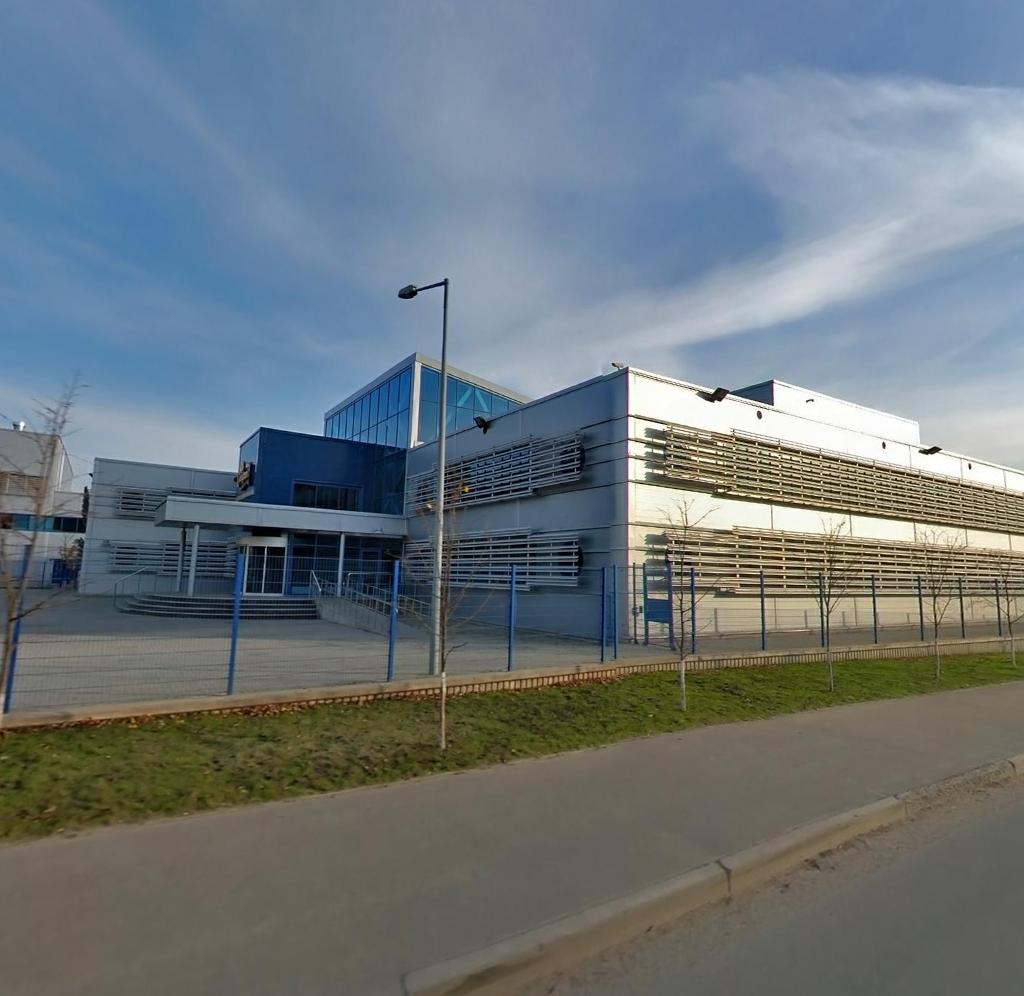
Comfortable, economical and environmentally friendly.
My great-grandmother, Lidiya Nikolaevna, did not commission expensive German HVAC designs for her house, as the Slavutych brewery did, but she understood very well what window shutters are for.
Perhaps a similar solution could work for you. After all, it is much nicer to shield yourself from the blazing sun with dense foliage or plant a couple of grapevines near the window than to listen to a noisy air conditioner or catch a cold from a stream of 5°C air.
These examples prove the point once again: before trying to save gas for heating or electricity for air conditioning, consider whether you can manage without that energy in the first place. The cost of new equipment is not just maintenance and electricity or gas bills; it is also the capital cost of buying the equipment.
Moreover, even if you have already bought equipment worth thousands (tens or hundreds of thousands) in whatever currency, measures that let you avoid paying monthly electricity and gas bills are not only welcome but often cost less than mushrooms.
Historical street names and technical examples follow the original article.
Original in Russian · All articles in the series
All articles in the series
- What Is Energy Conservation? An Engineering Approach
- Energy Conservation: General Principles and the Creative Process
- Justifying the Need: Do We Need Energy Before We Can Save It?
- Reducing Heat Losses
- Managing Heating Systems
- Which Is Cheaper for Heating: Gas or Electricity?
- Saving Gas: Where Should You Start?
- Energy-Saving Windows
- Energy saving in residential buildings (2014 original in Russian)

